




Green Space in a City of Secrets
Howard Amon Park
In a city built for secrecy and science, Howard Amon Park offered something rare: open space, recreation, and a sense of normal life. Developed during World War II, the park was designed to serve the growing Richland community and boost worker morale.
A Riverfront Refuge in a Wartime City
Predating World War II, Howard Amon Park originated as part of early Richland’s development along the Columbia River and reflected the community vision of local pioneer Howard S. Amon and his family. Long before the Manhattan Project transformed the area, the riverfront served as a place for recreation, gathering, and connection in the small agricultural town.
When Richland rapidly expanded during World War II as part of the Hanford Engineer Works, Howard Amon Park became an important retreat for thousands of newly arrived workers and families supporting the Manhattan Project. Nestled along the Columbia River, the park offered a rare place of leisure and normalcy in a city built for urgency and secrecy.
As the federal government reshaped Richland into a wartime community, the park’s open green spaces, tree-lined areas, and river access provided residents with opportunities to relax, gather, and briefly escape the pressures of wartime life. It quickly became a central gathering place for families, children, and workers adjusting to life in one of the nation’s most significant World War II communities.
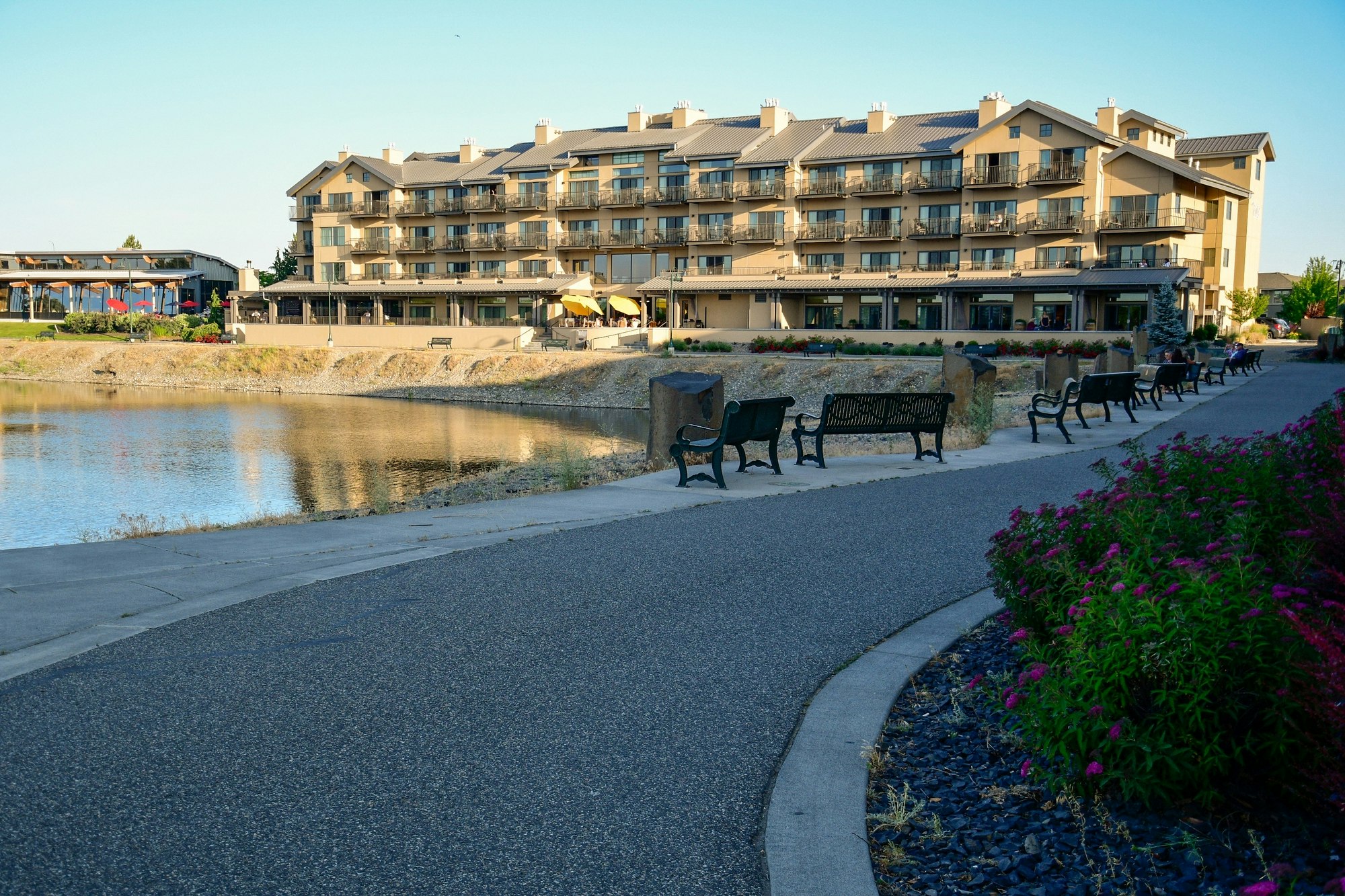
Today, the park remains a defining feature of Richland’s riverfront and a living reminder that even in a city transformed by war, space endured for community, recreation, and connection.


